Medical education is currently undergoing a significant paradigm shift driven by rapid technological integration and the need to manage an ever-evolving, vast body of clinical knowledge. Traditional “one-size-fits-all” educational models often fail to address the substantial individual differences among medical students, such as varying learning styles, baselines, and pacing. To tackle these challenges, Personalized Learning and Adaptive Learning have emerged as core pedagogical strategies.
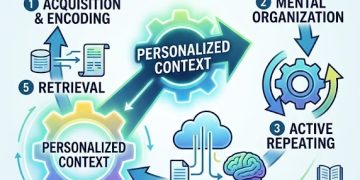
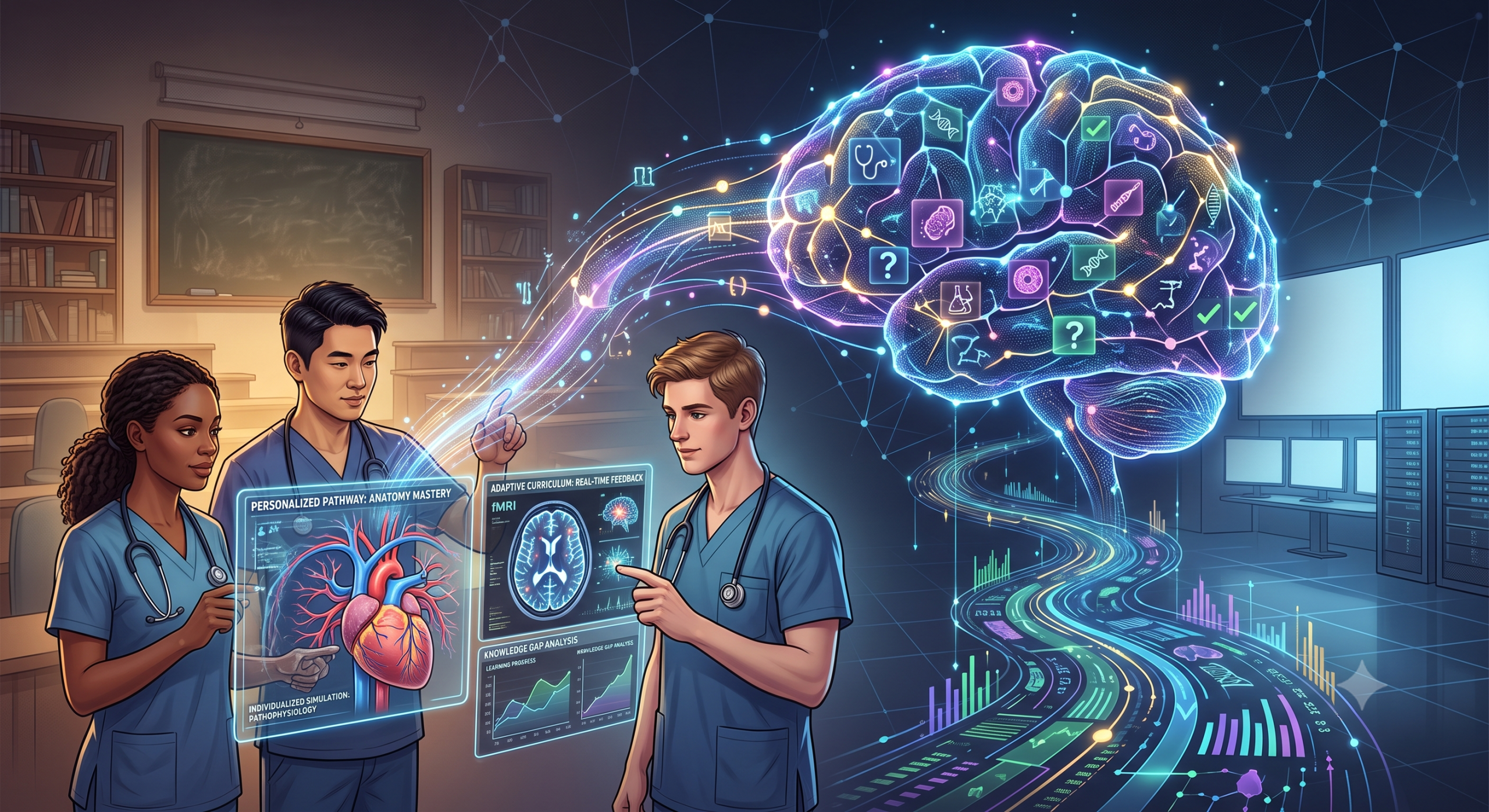
While Personalized Learning focuses on tailoring the educational content, goals, and pathways to suit the unique characteristics and professional interests of each learner, Adaptive Learning leverages data-driven technologies—particularly Artificial Intelligence (AI)—to dynamically adjust the difficulty, presentation, and pacing of instruction based on real-time monitoring of student performance. In medical training, the integration of these two concepts creates a cohesive ecosystem. By utilizing intelligent tutoring systems and algorithmic adaptivity, these platforms can precisely identify a student’s knowledge gaps in complex subjects like pathophysiology or anatomy, offer immediate feedback, and support spaced repetition. Evidence from recent scoping reviews demonstrates that personalized adaptive learning not only significantly enhances academic achievement and clinical reasoning but also boosts emotional engagement and long-term knowledge retention among future healthcare professionals.